
Triple planning asks us to hold three possible timelines at the same time:
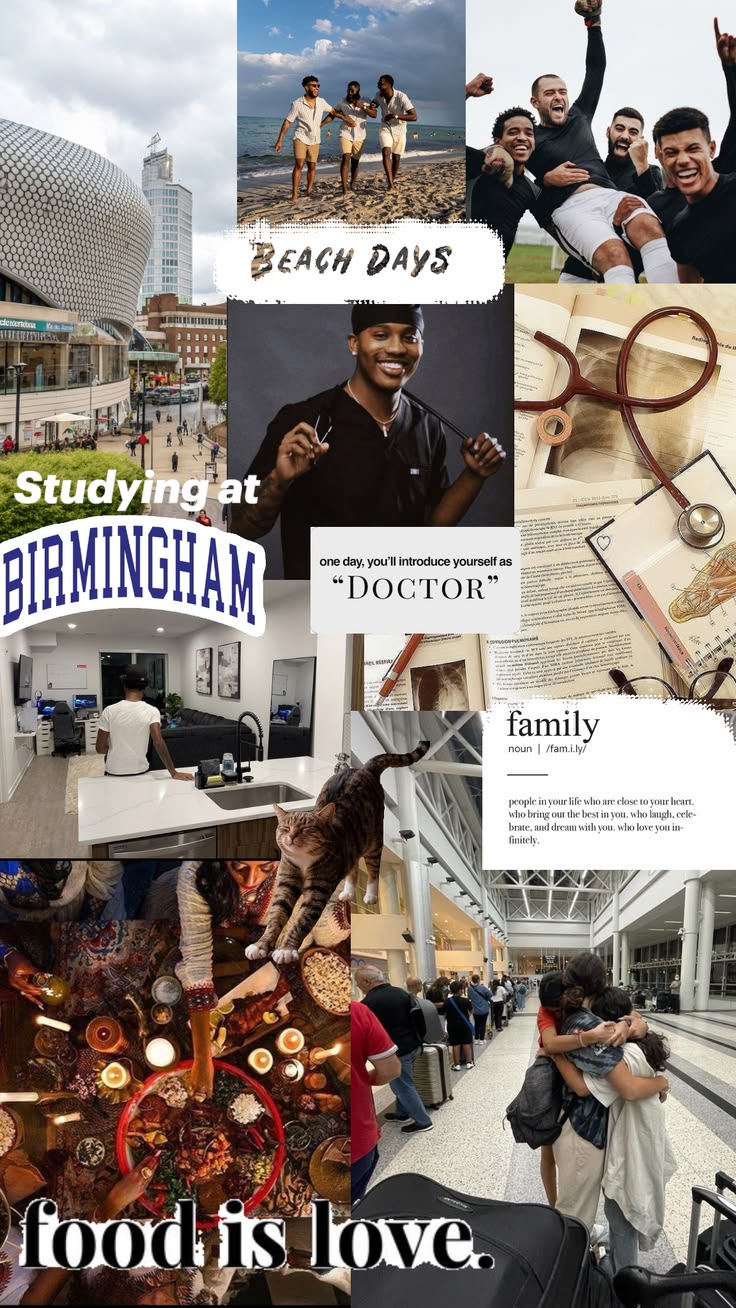
Vision boarding supports the positive decision pathway. It helps young people imagine what their life in the UK could be like, including the opportunities, routines, relationships, education, hobbies and hopes that feel meaningful to them. For newly arrived young people, this can be grounding and empowering and can promote a way to picture a future here that feels real, hopeful and achievable.
Why Vision Boarding Works in Triple Planning
Vision boards help us explore the positive status element of triple planning:
For many young people, especially those who are newly arrived, talking about hopes and dreams in a direct 1:1 conversation can feel pressured or too exposing. A vision board shifts the dynamic as it’s playful, visual and collaborative. It allows the young person to communicate through pictures, colours and key words not long explanations through an interpreter. It can be done as a key work session, or through group work if you have a group of young people in the same accommodation.
You can learn a huge amount simply by watching what they choose:
These small clues help us understand what matters to them and what they might be struggling to articulate. See below for how to do it:
How to Do It
You don’t need anything fancy. A vision board can be created on:
Invite the young person to choose images or words that represent:
Where to Find Pictures and Words
You can gather images from almost anywhere and the more varied, the better. Some easy, accessible sources include:
For young people who prefer digital tools, you can even create a digital vision board on Canva or Pinterest and print it afterwards.
From Vision to Planning
Once the board is complete, you can gently explore it together:
This is where the triple planning link becomes clear. The vision board becomes a bridge between:
It can also double as a grounding tool when things feel uncertain, the board on the wall is a reminder that their future is bigger than their current situation and that people are supporting them.
Why It Matters
For young people who have experienced loss, displacement, or trauma, feelings of hope may feel risky. Vision boarding can give young people a safe, creative way to imagine a future again. It helps them see themselves not just as someone being assessed or supported, but as someone with agency, identity, dreams and aspirations.
Want to Learn More About Triple Planning?
If you’d like to feel more confident in meeting statutory requirements, and learn practical, relational tools like this one, you can book onto our triple planning training.